Complete Guide to Lawn Dethatching in Australia: What It Is, Why It Matters & When to Do It
By Admin
7 min Read
A lush, green lawn is every homeowner's dream — but sometimes, no amount of mowing, watering, or fertilising seems to bring it back to life. If your lawn feels spongy, looks patchy, or struggles to grow, the real issue may lie below the surface.
Lawn dethatching is a professional solution that can rejuvenate your grass and restore its health. In this blog, we’ll cover everything you need to know about dethatching in Australia, from what it is to when to do it and how much it costs.
What is Lawn Dethatching?
Lawn dethatching is the process of removing the layer of organic debris — called thatch — that forms between your soil and the grass blades. This layer is made up of dead roots, leaves, and grass clippings that don’t decompose quickly.
A little thatch (under 1.5cm) is beneficial — it insulates the soil and retains moisture. But excessive thatch blocks:
Water
Oxygen
Nutrients
This starves your lawn, making it thin, brown, and disease-prone.
That’s why investing in a lawn dethatching service in Australia is one of the smartest ways to protect and revitalise your turf.
Why Is Dethatching Important for Australian Lawns?
Australia's varied climates — from hot summers to cool winters — can stress grass and accelerate thatch build-up, especially in warm-season grasses like Kikuyu, Couch, and Buffalo.
Regular dethatching:
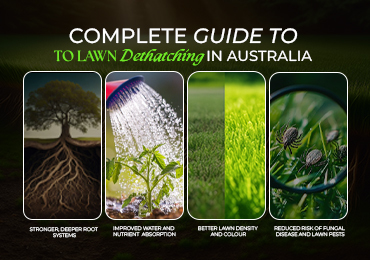
Stimulates new grass growth
Improves soil-to-root contact
Enhances water absorption and fertiliser effectiveness
Prevents lawn diseases caused by trapped moisture
It’s an essential part of seasonal lawn care, especially if you live in Victoria or other southern regions with fluctuating temperatures.
When Should You Dethatch Your Lawn?
The best time to dethatch is during your lawn’s growing season:
Early spring for warm-season grasses (e.g., Couch, Kikuyu)
Late spring or early autumn for cool-season grasses
Avoid dethatching during winter dormancy or peak summer heat, as this can shock your grass.
If you're unsure, a local lawn dethatching service near you assess your turf and advise the right time for treatment.
How Is Lawn Dethatching Done?
There are three common methods:
Manual Raking
Using a dethatching rake. Best for small lawns with light thatch.
Power Raking
Uses a machine with vertical blades to cut through thatch. Ideal for moderate buildup.
Verti-Cutting / Scarifying
A heavy-duty method using professional equipment for severe thatch layers.
Most homeowners opt for a professional lawn dethatching service in Australia, especially for large or heavily compacted lawns.
What Does a Lawn Dethatching Service Cost in Australia?
The cost of lawn dethatching depends on:
Lawn size (m²)
Level of thatch buildup
Location and access
Additional services (e.g., aeration or fertilisation)
On average, expect to pay $100–$300 for residential dethatching services.
If you’re searching for an affordable lawn dethatching service near me, Sky Nature offers budget-friendly packages tailored to your lawn’s condition.
DIY vs. Professional Lawn Dethatching: What’s Better?
You can rent dethatching equipment or buy a rake, but DIY dethatching is time-consuming, physically demanding, and risky if done incorrectly. Many lawns get damaged by improper technique or over-dethatching.
Hiring a lawn dethatching service in Australia gives you:
Trained professionals
High-grade equipment
Faster results
Healthier turf with minimal stress
Why Choose Sky Nature for Lawn Dethatching in Victoria?
At Sky Nature, we specialise in restoring tired, unhealthy lawns using expert dethatching and eco-conscious lawn care practices. We serve homes across Victoria with fast, reliable, and affordable services that get real results.
Whether you're battling thick thatch or prepping for the growing season, we’re here to help your lawn thrive.
Local Expertise
Eco-Friendly Solutions
Competitive Lawn Dethatching Service Cost
Free Lawn Inspection & Quote
FAQs & Common Concerns About Lawn Dethatching
How do I know if my lawn needs dethatching?
If your lawn feels spongy, struggles to absorb water, or has yellow/brown patches despite care, it's likely suffering from excess thatch. Insert a screwdriver — if it’s difficult to penetrate more than 2–3cm, dethatching may be needed.
Can dethatching damage my lawn?
Yes — if done at the wrong time or too aggressively. That’s why it’s best left to professionals who understand the right techniques and timing based on grass type and climate.
How often should dethatching be done?
Most lawns need dethatching every 1–3 years. Overdoing it can harm the grass, while neglecting it encourages turf disease.
Is lawn aeration the same as dethatching?
Dethatching removes the surface layer of debris, while aeration loosens compacted soil by punching holes into the ground. However, they work well together for lawn restoration.
Should I dethatch before or after fertilising?
Always dethatch before fertilising — it clears the path for nutrients to reach the soil effectively.
Can I rent a machine and do it myself?
Yes, but DIY dethatching comes with a learning curve. Rental machines can be heavy, and incorrect usage may cause lawn damage. If you're searching for lawn dethatching machine rental near me, weigh the effort vs. hiring a professional team.
Invest in the Health of Your Lawn with Dethatching
A healthy, vibrant lawn starts from the ground up — and that means keeping thatch under control. Lawn dethatching is not just a maintenance task; it’s a crucial investment in the long-term health, appearance, and resilience of your turf.
Whether you're dealing with spongy patches, water runoff, or struggling grass, dethatching clears the way for better growth and stronger roots. While it’s possible to do it yourself, a professional lawn dethatching service in Australia ensures safe, effective, and lasting results without damaging your lawn.
At Sky Nature, we help homeowners across Victoria bring their lawns back to life with trusted, eco-friendly dethatching services.
We love to hear from you
Contact Us