- By Admin
- 16 January, 2026
- 9 min Read
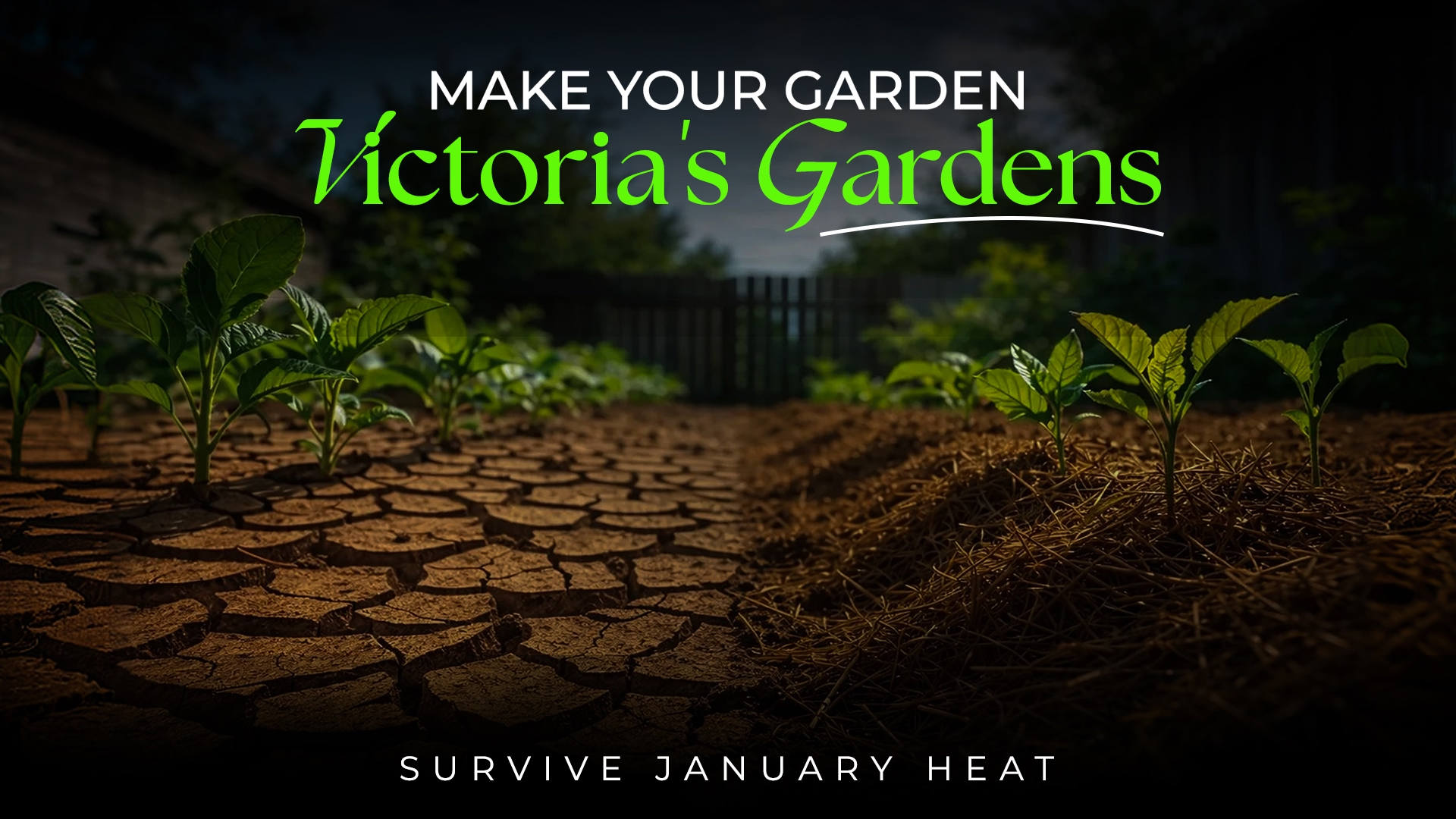
How Mulching Helps Victoria’s Gardens Survive January Heat
January is the most demanding month for gardens across Victoria. Extended heatwaves, dry winds, high UV exposure, and rapid moisture loss place ongoing stress on lawns, garden beds, and soil. Even well maintained spaces can decline quickly when soil is left exposed, leading to wilting plants, fading lawns, and watering that delivers limited results. These challenges are common across properties relying on standard lawn care Victoria practices during peak summer.
Mulching is one of the most effective ways to protect gardens during January heat. When applied correctly, mulch helps regulate soil temperature, slow moisture loss, and reduce stress on plants and turf. For many homeowners seeking practical garden care solutions Victoria Australia, mulching is not an optional extra. It is a core part of maintaining healthy landscapes through summer.
This guide explains how mulching works, why it matters in January, and how it supports long term lawn and garden health across Victoria, particularly when used as part of a reliable landscaping service Victoria in Australia.
Why January Is the Hardest Month for Gardens in Victoria?
Victoria’s summer climate is unpredictable. January often brings consecutive hot days, sudden heat spikes, and drying winds. These conditions affect gardens in several ways.
Bare soil absorbs and holds heat. Surface temperatures rise quickly and transfer heat directly into the root zone. This damages fine roots and reduces the plant’s ability to take up water. Moisture evaporates rapidly. Even regular watering can be lost within hours during hot days. This leads to shallow root growth and stressed plants.
Clay soils common across many Victorian suburbs become harder and less permeable when dry. Water struggles to penetrate, and roots remain close to the surface where heat impact is highest. Lawns and garden beds in new housing estates are particularly vulnerable due to compacted soil and limited organic matter.
Mulching addresses all of these issues at the soil level.
What Mulching Actually Does in Summer?
- Mulch is a protective layer placed over the soil surface. Its function goes beyond appearance. In summer, mulch acts as a buffer between the soil and the environment.
- Mulch reduces soil temperature by shielding it from direct sunlight. This keeps the root zone cooler and more stable.
- Mulch slows evaporation. Moisture remains available in the soil for longer periods, reducing watering frequency.
- Mulch improves soil condition over time. Organic mulches break down gradually and support beneficial soil organisms.
- Mulch limits weed growth. Fewer weeds means less competition for water and nutrients during peak summer stress.
When applied correctly, mulch supports both garden beds and lawn edges during January heat.
How Mulching Protects Gardens During January Heat?
1. Soil temperature control
Mulched soil stays significantly cooler than exposed soil. This protects plant roots from heat stress and allows consistent nutrient uptake.
2. Moisture retention
Mulch reduces evaporation by covering the soil surface. Water applied through irrigation or rainfall remains available for longer. This is especially important during water restrictions and extreme heat days.
3. Root protection
Roots remain active and healthy when temperature and moisture levels are stable. Mulch helps prevent sudden drying that can cause root damage.
4. Reduced soil compaction
In clay heavy soils, mulch prevents surface crusting. This allows water to move into the soil rather than running off.
5. Weed suppression
Weeds thrive in summer heat. Mulch limits light penetration and reduces weed germination, which helps conserve moisture for desired plants.
Best Mulch Types for Victoria’s Climate
Not all mulch performs the same in summer. Choosing the right type matters.
Common mulch options and suitability
| Mulch Type | Best Use | Water Retention | Clay Soil Suitability | Summer Performance |
|---|---|---|---|---|
| Pine bark | Garden beds and trees | High | Good | Excellent |
| Hardwood mulch | Garden beds | Moderate to high | Good | Very good |
| Sugarcane mulch | Vegetable gardens | High | Moderate | Good |
| Straw mulch | Seasonal beds | Moderate | Moderate | Short term |
| Pebbles or stone | Decorative areas | Low | Not suitable | Heat retaining |
Organic mulches are generally better for summer garden health in Victoria. They improve soil structure and moisture retention over time. Inorganic mulches such as stone may increase heat around plants and are best limited to non planted areas.
Mulching and Clay Soil in Victoria
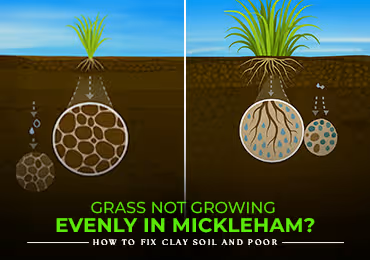
Clay soil is common across many parts of Victoria, including both established suburbs and new housing developments. In summer, clay soil becomes dense and resistant to water penetration. This leads to uneven moisture distribution and stressed lawns. Mulch improves clay soil performance by slowing water movement at the surface. This gives moisture time to penetrate rather than run off. Over time, organic mulch contributes to improved soil structure and microbial activity. Uneven lawn growth, dry patches, and shallow roots are common signs of clay soil stress. These issues are explained in detail in this guide on grass not growing evenly due to clay soil conditions in Victoria. Read the full Blog
Mulching works best when combined with other soil improvement practices.
Mulching Compared to Other Summer Lawn Care Practices
- Mulching is most effective when used as part of a complete summer lawn care approach.
- Watering alone cannot protect roots from heat if soil is exposed.
- Mowing helps reduce stress but does not address soil temperature or moisture loss.
- Fertilising during extreme heat can increase stress if moisture levels are unstable.
Mechanical lawn treatments such as aeration and dethatching address deeper soil and surface issues. For lawns affected by compaction or thatch build up, understanding whether aeration or dethatching is required is critical during summer. This is covered in detail here Read the full blog on Dethatching Vs Aeration
Mulching complements these treatments by protecting the soil after corrective work is done.
Common Mulching Mistakes in Summer
- Incorrect mulching reduces effectiveness and can cause plant stress.
- Applying mulch too thin allows heat to pass through and reduces moisture retention.
- Applying mulch too thick restricts airflow and can trap excess moisture around stems.
- Mulching dry soil locks in dryness. Soil should be watered before mulch is applied.
- Piling mulch against plant trunks or stems encourages rot and pests.
- Using fresh or unseasoned mulch can draw nitrogen from the soil during decomposition.
- Correct depth is usually 50 to 75 millimetres for garden beds.
When and How Often to Mulch in Victoria?
- January mulching should be done early in the day or during cooler periods.
- Soil should be moist before application.
- Mulch should be topped up once or twice a year depending on breakdown rate.
- Signs mulch needs refreshing include visible soil, rapid drying after watering, and increased weed growth.
- Lawns do not require full surface mulching but benefit from mulched edges and organic matter management.
When DIY Mulching Is Not Enough?
- Some gardens continue to struggle even after mulching. This usually indicates underlying soil or lawn issues.
- Persistent dry patches may signal compaction or poor soil structure.
- Runoff during watering suggests deeper infiltration problems.
- Thin lawns often require aeration, dethatching, or soil conditioning.
In these cases, professional garden care provides better long term results.
Sky Nature’s Expert Approach to Summer Garden Care in Victoria
Sky Nature provides landscaping services in Victoria australia with a strong focus on local conditions. January heat requires practical solutions based on soil type, plant selection, and climate patterns.
Sky Nature takes an integrated approach that includes mulching, lawn care, soil improvement, and seasonal maintenance. This ensures gardens are not only protected during summer but continue to improve over time.
For homeowners looking for landscaping service in Victoria Australia, lawn care Victoria solutions, garden care Victoria Australia support, or affordable lawn care services in Australia, working with a local expert reduces risk and improves outcomes.
Frequently Asked Questions
Does mulch keep soil cool in summer?
Yes. Mulch reduces direct heat exposure and stabilises soil temperature.
How thick should mulch be in January?
Most garden beds perform best with 50 to 75 millimetres of mulch.
Is mulching suitable for clay soil?
Yes. Mulch helps slow water movement and improves soil condition over time.
Can mulch reduce watering needs?
Yes. Mulched soil retains moisture longer and reduces evaporation.
Is mulching useful for lawns?
Mulch supports lawn health indirectly by improving soil edges, reducing heat stress, and supporting root zones.