Dethatching vs Aeration What Mickleham Lawns Need in Summer
By Admin
9 min Read
Summer is the most demanding season for lawns in Mickleham. High temperatures, dry spells, sudden heavy watering, and clay-heavy soil all place stress on grass that is already struggling to establish strong roots. Many homeowners notice thinning patches, water pooling on the surface, or grass that looks tired despite regular mowing and watering. At this point, the common question is does lawn dethatching services in australia helps? what really the lawn needs dethatching or aeration?
Both services improve lawn health, but they solve different problems. Choosing the wrong one, or doing them at the wrong time, can slow recovery or even damage the lawn during summer. This guide explains how dethatching and aeration work, how they affect Mickleham lawns specifically, and how to decide which treatment is needed during the warmer months.
How Mickleham Lawns Behave in Summer?
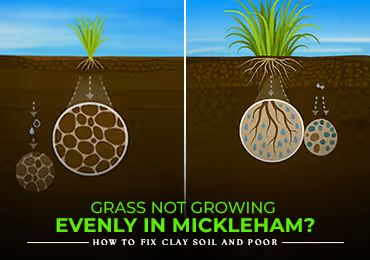
Mickleham is known for clay-dominant soil, particularly in newer estates where topsoil depth is limited. Clay soil compacts easily, restricts airflow, and slows drainage. During summer, this leads to shallow roots and grass that dries out quickly even when watered regularly.
Most residential lawns in Mickleham are Buffalo, Kikuyu, or Couch. These grasses handle heat reasonably well, but they struggle when roots cannot access oxygen or moisture below the surface. Summer lawn issues in this area often include uneven growth, hard soil, surface runoff, and thatch build-up from fast-growing warm-season grass.
Because these problems develop gradually, many lawns suffer from more than one underlying issue at the same time. This is where confusion between dethatching and aeration usually starts.
What Lawn Dethatching Does and When It Helps?
Thatch is the layer of dead grass stems, roots, and organic matter that sits between the green grass and the soil. A small amount of thatch is normal and even helpful. Problems begin when this layer becomes too thick.
In Mickleham, thatch builds up faster in lawns that are fertilised heavily, watered frequently, or mowed too short. Warm-season grasses grow aggressively in summer, and without proper management, dead material accumulates faster than it breaks down.
Signs that a lawn needs dethatching include a spongy feel underfoot, water sitting on the surface rather than soaking in, yellowing grass despite regular care, and patchy growth where new shoots struggle to push through.
Dethatching removes this compacted organic layer so water, air, and nutrients can reach the soil. However, in summer, timing and method matter. Aggressive dethatching during extreme heat can stress the lawn, especially if the grass is already weak or the soil is dry.
For homeowners who want a deeper understanding of how the process works across different Australian conditions, Sky Nature has already covered this in detail in their complete guide to lawn dethatching in Australia, which explains tools, timing, and recovery expectations.
What Lawn Aeration Does and Why It Matters in Mickleham?
Aeration addresses a different issue. Instead of removing organic material, it focuses on relieving soil compaction. In clay-heavy areas like Mickleham, compaction is one of the biggest reasons lawns struggle in summer.
When soil is compacted, grass roots cannot grow deeply. Water runs off instead of soaking in, fertiliser stays near the surface, and oxygen cannot reach the root zone. lawn Aeration in victoria creates small openings in the soil, allowing air, water, and nutrients to move below the surface where roots actually need them.
Core aeration is particularly effective for Mickleham lawns because it physically removes plugs of compacted soil rather than simply poking holes. This improves drainage and encourages deeper root growth, which is critical during hot weather.
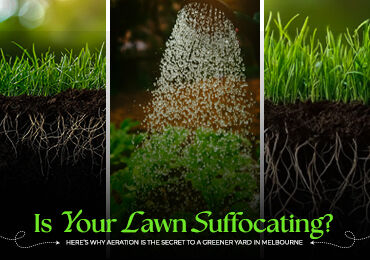
Sky Nature explains this process clearly in their article on why lawn aeration is the secret to a greener yard in Melbourne, and the same principles apply directly to Mickleham conditions.
Dethatching and Aeration Compared for Summer Lawns
Dethatching removes excess organic material sitting above the soil. Aeration improves the structure of the soil itself. One targets the surface layer, while the other works below ground.
Dethatching is most useful when grass feels spongy, water does not penetrate easily, and new shoots struggle to emerge. Aeration is most useful when soil feels hard, lawns dry out quickly, and growth is thin even though watering and mowing are consistent.
In summer, aeration is generally safer and more beneficial for clay soil lawns. Dethatching can still be done, but it must be measured and timed carefully to avoid excessive stress.
What Your Mickleham Lawn Needs in Summer
Not every lawn needs the same treatment. The right approach depends on what is limiting growth.
If the lawn looks thin and the soil feels hard, aeration should be the priority
If the lawn looks thick but feels spongy and struggles to absorb water, light dethatching may be needed
If both problems exist, a staged approach works best
Newly laid turf should not be dethatched
For newly laid turf, dethatching should be avoided entirely. Aeration may be introduced later once roots are established, depending on soil conditions.
Can Dethatching and Aeration Be Done Together
Dethatching and aeration can be combined, but only when done in the correct order and under suitable conditions. Dethatching should always come first so that aeration holes are not blocked by loosened debris.
In summer, combining both services should only be done when the lawn is actively growing and adequately watered. Attempting both on a stressed lawn can slow recovery and increase weed invasion.
Professional lawn care assessment matters here because clay content, lawn type, and sun exposure vary across Mickleham properties.
How Mowing and Watering Affect Both Treatments?
Mowing height plays a significant role in both thatch build-up and soil compaction. Cutting grass too short increases stress, encourages shallow roots, and accelerates thatch accumulation. Maintaining the correct mowing height allows grass to shade the soil and recover more quickly after aeration or dethatching.
Watering deeply but less frequently is far more effective than daily light watering. Aerated lawns benefit the most from deep watering because moisture reaches the root zone rather than evaporating at the surface.
This is why mowing services and lawn treatments should work together rather than being treated as separate tasks. A consistent mowing service in Victoria that understands local soil conditions supports long-term lawn health far better than irregular cutting.
Common Misunderstandings About Summer Lawn Treatments
One common belief is that aeration dries out lawns in summer. In reality, aeration improves moisture retention by allowing water to reach deeper soil layers. Another misconception is that dethatching always damages lawns. When done correctly and at the right time, it improves growth, but aggressive dethatching during heat can be harmful.
Some homeowners believe new lawns do not need aeration. In Mickleham, even new turf often sits on compacted subsoil left by construction, making early aeration beneficial once the lawn is established.
When Professional Lawn Care Makes a Difference?
DIY lawn care has its place, but there are limits. Clay soil requires the right equipment and timing. Incorrect dethatching depth or shallow aeration often fails to solve the problem and can set the lawn back during summer.
Professional lawn care services in Victoria bring local knowledge of soil types, grass varieties, and seasonal timing. This reduces risk and improves recovery, especially during periods of heat stress.
Frequently Asked Questions
Is dethatching safe in summer in Australia?
Light dethatching can be safe if the lawn is healthy and well-watered. Heavy dethatching during extreme heat is not recommended.
Should clay soil lawns in Mickleham be aerated every year?
Most clay soil lawns benefit from annual aeration. Some high-traffic areas may need it more often.
Which is better for Buffalo grass in summer?
Aeration is usually more beneficial for Buffalo grass in summer because it supports deeper roots without stressing the surface.
Can aeration fix poor drainage?
Aeration improves drainage by relieving compaction, but severe drainage issues may also require soil improvement. You can read our blog on why aeration is the secret to a greener yard in melbourne for better understanding.
Professional Lawn Care for Mickleham Homes
Choosing between dethatching and aeration is not about which service is better. It is about which problem needs solving at the right time. Mickleham lawns face unique challenges from clay soil, summer heat, and construction-compacted ground. Addressing these issues correctly improves lawn resilience, appearance, and water efficiency.
Conclusion
Sky Nature provides professional lawn care services tailored specifically to Mickleham conditions. Their team assesses soil structure, grass type, and seasonal stress before recommending dethatching, aeration, or a combined approach. Alongside expert mowing and ongoing lawn maintenance, Sky Nature helps homeowners achieve healthier lawns that cope better with Victorian summers.
If your lawn is struggling despite regular care, a professional assessment can identify the real cause and apply the right solution before further damage occurs.
We love to hear from you
Contact Us