Lawn Care & Garden Maintenance
  • By Admin
  • 10 October, 2025
  • 8 min Read

Is Your Lawn Suffocating? Here’s Why Aeration Is the Secret to a Greener Yard in Melbourne

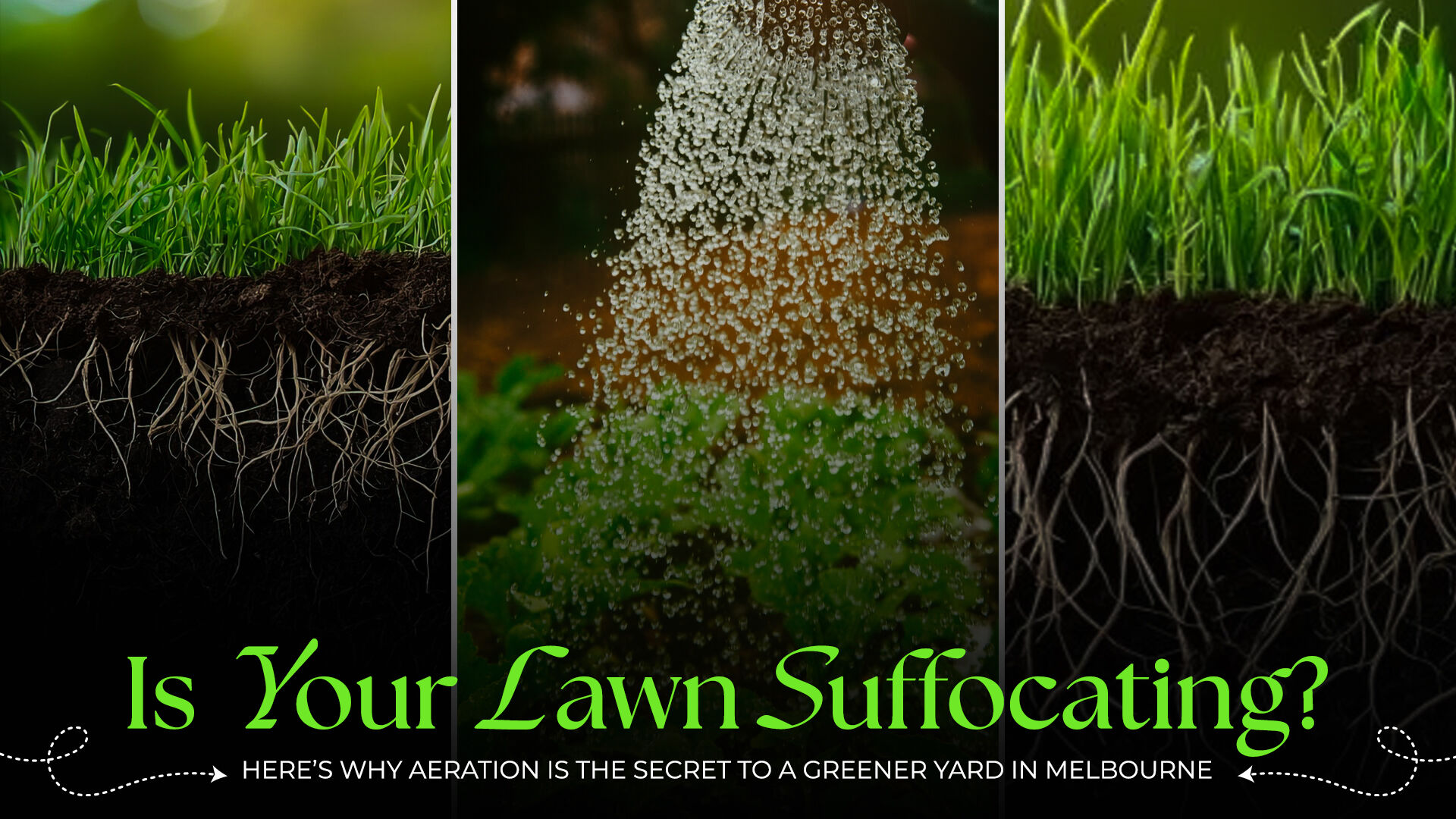
No matter how often you water or fertilize, your lawn can still look patchy, dull, and lifeless. The problem is often not on the surface but underneath the soil. Over time, foot traffic, rainfall, and mowing compact the soil so tightly that air and nutrients can no longer reach the roots. The result is a struggling lawn that looks tired even with regular care.

Lawn aeration is the process of perforating soil with small holes to allow air, water, and nutrients to reach the grass roots. It helps the roots grow deeply, creating a stronger, healthier, and greener lawn. For homeowners across Victoria, especially in Melbourne’s clay-heavy soils, lawn aeration is one of the most effective ways to bring your yard back to life. SkyNature offers professional lawn aeration services in victoria designed specifically for Victorian conditions, helping you restore balance to your lawn and keep it healthy throughout the seasons.

What Is Lawn Aeration

Lawn aeration simply means creating tiny holes in the ground so that air, water, and nutrients can move freely through the soil. These holes help break up compacted layers, allowing roots to breathe and absorb what they need to grow strong.

There are two main types of aeration:

  • Core aeration: Removes small plugs of soil from the lawn using a specialized machine. This method is most effective for compacted or clay soils like those common in Melbourne and other parts of Victoria.
  • Spike aeration: Uses solid spikes to punch holes into the soil without removing any material. It works well for lighter maintenance on lawns that are not heavily compacted.

Both methods improve soil structure, water absorption, and root health, but core aeration offers deeper, longer-lasting benefits.

Common homeowner questions:

What does lawn aeration do?

It loosens compacted soil, allowing better root growth, improved drainage, and more even lawn coverage.

Is lawn aeration necessary in Melbourne?

Yes. Because Melbourne’s soil is mostly clay-based, it tends to compact easily, especially with regular use and rainfall variation. Aeration helps maintain healthy soil conditions.

Why Lawn Aeration Is Important for Victoria Lawns

Victoria’s climate and soil create unique challenges for maintaining a healthy lawn. The heavy clay soil found across Melbourne and surrounding regions holds water tightly, making it difficult for grass roots to access oxygen. During dry summers, this same soil hardens, creating a tough surface that prevents water from soaking in.

Regular lawn aeration addresses all of these issues. It:

  • Improves water absorption so the soil can retain moisture more evenly
  • Enhances nutrient flow to the roots for stronger, greener growth
  • Strengthens root systems, allowing grass to recover faster from drought and wear
  • Prevents patchy, dull, and thin areas caused by compaction
  • Increases drought resistance and overall lawn health

In Melbourne’s spring and autumn, aeration helps lawns recover from seasonal stress and prepares them for upcoming weather changes. A well-aerated lawn absorbs rainfall more efficiently and uses fertilizer more effectively, meaning you’ll need less water and fewer products to maintain a lush look.

When to Aerate Your Lawn

Timing plays a major role in how effective lawn aeration will be. The best time to aerate lawns in Victoria, Australia, is during early spring or mid-autumn when grass growth is active and the soil is slightly moist. These conditions help the lawn heal quickly after aeration and promote strong root development.

You should consider aerating your lawn if you notice any of the following signs:

  • The grass feels spongy underfoot
  • Water pools on the surface after rain
  • Your lawn thins out or looks dull even with regular watering
  • You can’t easily insert a screwdriver or garden fork into the soil

Aeration once or twice a year is enough for most Melbourne lawns, but high-traffic areas or those with heavy clay soil may need it more often.

How to Aerate a Lawn (DIY vs Professional)

There are two main ways to aerate your lawn — doing it yourself or hiring a professional.

DIY Aeration:

Homeowners can rent or buy small manual aerators for light maintenance. Spike aerators and small plug machines are available, but they can be hard work and may not reach the ideal depth in compacted soils. If you choose to do it yourself, remember these tips:

  • Water your lawn a day before aeration to soften the soil
  • Mow your grass short beforehand
  • Avoid aerating during extreme heat or when the soil is too dry

Professional Aeration:

Professional lawn care services use advanced equipment designed to penetrate deeper and cover larger areas more evenly. Experts like SkyNature also assess your soil type, grass species, and overall lawn condition to decide the best method and timing. Professional aeration saves time, delivers longer-lasting results, and ensures your lawn gets the care it truly needs.

Not sure where to start? Let SkyNature handle it — book your aeration service today.

Precautions and Aftercare

Aeration sets the stage for a healthier lawn, but proper care afterward ensures lasting results.

Before aeration:

  • Mow your lawn shorter than usual to help the aerator reach the soil
  • Water lightly the day before to soften compacted areas

After aeration:

  • Water your lawn regularly for the next few days to encourage root recovery
  • Leave the soil plugs on the surface; they’ll break down naturally and improve soil texture
  • Apply topdressing or fertilizer if needed to boost growth
  • Avoid mowing or heavy foot traffic for a few days
SkyNature Tip: Combine aeration with topdressing and fertilization for best results. This combination enhances nutrient absorption and supports quick lawn recovery.

Why Choose SkyNature for Lawn Aeration in Victoria

SkyNature has years of experience providing professional lawn mentainance and care services across Melbourne and regional Victoria. Our local knowledge allows us to understand how Victoria’s weather and soil affect lawn health and what it takes to maintain it year-round.

We use advanced core aeration equipment designed to penetrate even the toughest clay soil without damaging your turf. Every aeration service includes a complete lawn assessment, ensuring your yard receives the right treatment at the right time.

  • Professional-grade tools and techniques
  • Local expertise tailored to Victoria’s climate and soil
  • Safe, efficient, and environmentally friendly methods
  • All-in-one lawn care packages, including aeration, topdressing, and fertilization

Our goal is simple — to help you enjoy a greener, healthier, and more resilient lawn without the stress of managing it alone. Get a free quote and see the SkyNature difference today.

Frequently Asked Questions (FAQs)

1. What is lawn aeration?

Lawn aeration is the process of creating small holes in the soil to improve air, water, and nutrient flow to the grass roots.

2. How often should I aerate my lawn in Victoria?

Most lawns benefit from aeration once a year, ideally in spring or autumn. However, heavily compacted or high-traffic lawns may need it twice a year.

3. Can I aerate my lawn myself?

Yes, but professional aeration is more effective for compacted clay soils. DIY methods often do not reach deep enough or provide even coverage.

4. How long after aeration can I mow or water?

You can water your lawn immediately after aeration, but wait three to four days before mowing to allow recovery.

5. What’s the cost of professional lawn aeration in Melbourne?

The cost depends on the size of your lawn and its condition. SkyNature provides transparent quotes with no hidden fees, so you know exactly what to expect.

Related Blogs

Blog Image
Lawn Care & Garden Maintenance

Why Mickleham Lawns Struggle Year Round and the Exact Services That Fix Each Problem

By Admin 9 min Read

Lawns in Mickleham, face challenges that are very different from older suburbs across Melbourne. Many residential areas here were developed quickly. Topsoil was often removed or compacted during construction. What remains underneath is heavy clay that holds water in winter and turns hard in summer. These conditions affect both new and established homes. Homeowners often notice thinning grass, uneven growth, surface water after rain, moss in shaded areas, or lawns that never seem to improve despite regular watering and mowing. These are not random problems. They are predictable outcomes of soil structure, climate, and maintenance timing. This guide explains the most common lawn problems Mickleham homeowners experience throughout the year & Each problem is matched to the exact professional lawn care service in Mickleham that fixes it. The goal is clarity. When you understand the cause, the solution becomes straightforward. The Ground Reality in Mickleham Lawns Mickleham sits on clay dominant soil. Clay is nutrient rich but poorly structured for turf. It compacts easily under foot traffic, construction machinery, and even regular mowing. Compacted clay limits oxygen, water movement, and root growth. Victoria’s weather adds pressure. Hot dry summers stress shallow roots. Cold wet winters restrict evaporation. Lawns remain wet on the surface while roots struggle below. This combination explains why lawn care Mickleham requirements are more technical than they appear. Problem 1: Grass Looks Healthy on Top but Feels Spongy or Dies Back Many lawns appear green but decline quickly under heat or foot traffic. The surface may feel soft or bouncy when walked on. This is usually caused by a thick layer of organic debris building up between the soil and the grass. This layer is called thatch. Thatch blocks water and nutrients from reaching the roots. It also creates a shallow root system that fails under stress. Service That Fixes It Dethatching Service Mickleham Dethatching removes this compacted organic layer. It allows water, oxygen, and fertiliser to reach the soil again. In Mickleham lawns, dethatching is often essential even when grass looks visually acceptable. This process is particularly important for couch and kikuyu lawns, which are common across Victoria and produce thatch quickly. A clear explanation of how dethatching compares with aeration is covered in this guide on Dethatching Vs. Aeration Problem 2: Water Pools on the Lawn After Rain or Irrigation Standing water after rain is one of the most common lawn problems Mickleham homeowners report. This is not a watering issue. It is a soil structure issue. Clay soil has very small particles. When compacted, it prevents water from moving down into the root zone. Over time, roots suffocate and turf thins out. Service That Fixes It Lawn Aeration Mickleham Aeration physically opens the soil. Small cores or channels are created to allow water and oxygen to move deeper. This relieves compaction and encourages deeper root growth. Aeration is especially effective for lawns built on construction fill or areas with regular foot traffic such as side paths and play areas. In Mickleham, aeration works best when combined with soil amendments and proper mowing height. On its own, it solves drainage. Combined with dethatching, it restores overall lawn health. Problem 3: Grass Grows Unevenly Across the Lawn One side of the lawn grows thick and green. Another area remains thin or bare. This is extremely common in new estates. The cause is usually inconsistent soil depth and clay exposure. Builders often leave uneven topsoil. Some sections may sit directly on clay while others have adequate soil depth. This issue is explained in detail here Why grass does not grow evenly in Mickleham Service That Fixes It Lawn Renovation and Targeted Soil Correction Uneven growth cannot be fixed by mowing or watering alone. It requires targeted intervention. This may include partial renovation, soil levelling, aeration, and topdressing. Professional assessment is critical because treating the entire lawn the same way often wastes time and money. In Mickleham, zone based treatment delivers better long term results. Problem 4: Lawn Looks Worn Out Even with Regular Mowing Some homeowners mow every one or two weeks yet the lawn never looks dense or healthy. The grass appears stressed. Weeds invade quickly. Colour fades fast after mowing. This is often due to incorrect mowing height or frequency. Cutting too short exposes soil, increases evaporation, and weakens roots. Cutting too infrequently removes too much leaf at once, shocking the plant. Service That Fixes It Professional Lawn Mowing Professional mowing is not just about appearance. It is about consistency and correct height for the grass type and season. In professional lawn care Victoria, mowing is used as a health management tool. Blade sharpness, cutting pattern, and timing all influence turf density and weed resistance. For Mickleham lawns on clay soil, correct mowing reduces compaction stress and supports deeper root systems. Problem 5: Lawn Thins Out Every Summer No Matter What You Do Summer heat exposes weak root systems. Lawns that rely on surface moisture fail quickly during heatwaves. This problem repeats each year. The underlying cause is shallow rooting caused by compacted soil, thatch buildup, or both. Service That Fixes It Combined Dethatching and Aeration This is where service sequencing matters. Dethatching clears the surface barrier. Aeration opens the soil. Together, they create conditions for deeper roots. This combination is one of the most effective long term solutions for clay soil lawn issues in Mickleham. It prepares lawns to survive summer rather than react to damage after it occurs. Problem 6: Moss or Algae Appears in Winter Moss thrives in wet, compacted, shaded areas. It does not cause lawn problems. It reveals them. In Mickleham, winter moss indicates poor drainage and low soil oxygen. Service That Fixes It Aeration and Drainage Correction Removing moss without correcting soil structure leads to repeat growth. Aeration improves drainage. In some cases, soil amendments are required to rebalance conditions. This is a common issue in older properties with mature trees and limited sunlight. Lawn problem observed in Mickleham Primary cause Most effective service Why this service works Lawn feels spongy or dies back in heat Thatch buildup blocking water and nutrients Dethatching service Mickleham Removes organic layer and allows moisture and oxygen to reach roots Water pools on the surface after rain Compacted clay soil Lawn aeration Mickleham Opens soil channels to improve drainage and root oxygen Grass grows unevenly across the lawn Uneven topsoil and exposed clay Lawn renovation Corrects soil depth and improves root establishment Lawn looks thin despite regular mowing Incorrect mowing height or frequency Professional lawn mowing Maintains turf strength and reduces stress on roots Lawn dries out quickly in summer Shallow root system Dethatching and aeration Encourages deeper roots that retain moisture longer Moss appears in winter Poor drainage and low soil oxygen Lawn aeration Mickleham Improves drainage and reduces conditions moss prefers How These Services Work Together Over the Year? Effective lawn care Mickleham is not about one service. It is about timing and combination. Dethatching removes surface barriers. Aeration fixes compaction. Professional mowing maintains plant strength. Renovation corrects structural issues. When these are applied based on diagnosis rather than routine, lawns stabilise instead of declining. Frequently Asked Questions How often should lawns in Mickleham be dethatched? Most lawns benefit from dethatching every one to two years depending on grass type and growth rate. High growth grasses may require it more frequently. Is aeration necessary for new lawns? Yes. New lawns are often installed on compacted soil. Aeration helps roots establish properly from the start. Can mowing alone fix poor lawn health? No. Mowing maintains appearance but does not correct soil or root problems. What grass types struggle most in clay soil? Most turf types struggle when clay is compacted. Couch and kikuyu tolerate clay better but still require aeration and dethatching. When is the best time for lawn renovation in Victoria? Spring and early autumn provide the best conditions for recovery and root development. Why does my lawn dry out quickly even after watering? Shallow roots and compacted soil prevent water from reaching deeper layers where roots should grow. Is professional lawn care worth it in Mickleham? Yes. Local soil and climate conditions make professional assessment more cost effective than repeated trial and error treatments. A Local Perspective on Professional Lawn Care in Mickleham Mickleham lawns are shaped by clay soil, construction practices, and Victoria’s climate. Generic lawn advice often fails here because it does not account for these factors. Sky Nature works with both new and established residential properties across Mickleham. Their approach focuses on identifying the specific cause behind lawn failure and applying the correct service rather than over treating or guessing. This diagnostic approach is why targeted services deliver better outcomes than one size fits all lawn programs. Conclusion Lawns in Mickleham struggle for clear and practical reasons. Clay heavy soil, construction compaction, and Victoria’s changing weather place constant pressure on turf throughout the year. These conditions affect new estates and older residential properties alike. When problems appear, they are usually symptoms of deeper soil and root issues rather than surface level neglect. Understanding which problem is present makes the solution straightforward. Thatch buildup requires dethatching. Compacted soil requires aeration. Weak growth and poor density require correct mowing practices. Areas that never improve need targeted renovation rather than repeated general treatments. Consistent, problem based lawn care delivers better long term results than reacting after damage has already occurred. When services are applied at the right time and for the right reason, lawns in Mickleham can remain healthy, resilient, and visually consistent across all seasons. We love to hear from you Contact Us

Blog Image
Lawn Care & Garden Maintenance

How Mulching Helps Victoria’s Gardens Survive January Heat

By Admin 9 min Read

January is the most demanding month for gardens across Victoria. Extended heatwaves, dry winds, high UV exposure, and rapid moisture loss place ongoing stress on lawns, garden beds, and soil. Even well maintained spaces can decline quickly when soil is left exposed, leading to wilting plants, fading lawns, and watering that delivers limited results. These challenges are common across properties relying on standard lawn care Victoria practices during peak summer. Mulching is one of the most effective ways to protect gardens during January heat. When applied correctly, mulch helps regulate soil temperature, slow moisture loss, and reduce stress on plants and turf. For many homeowners seeking practical garden care solutions Victoria Australia, mulching is not an optional extra. It is a core part of maintaining healthy landscapes through summer. This guide explains how mulching works, why it matters in January, and how it supports long term lawn and garden health across Victoria, particularly when used as part of a reliable landscaping service Victoria in Australia. Why January Is the Hardest Month for Gardens in Victoria? Victoria’s summer climate is unpredictable. January often brings consecutive hot days, sudden heat spikes, and drying winds. These conditions affect gardens in several ways. Bare soil absorbs and holds heat. Surface temperatures rise quickly and transfer heat directly into the root zone. This damages fine roots and reduces the plant’s ability to take up water. Moisture evaporates rapidly. Even regular watering can be lost within hours during hot days. This leads to shallow root growth and stressed plants. Clay soils common across many Victorian suburbs become harder and less permeable when dry. Water struggles to penetrate, and roots remain close to the surface where heat impact is highest. Lawns and garden beds in new housing estates are particularly vulnerable due to compacted soil and limited organic matter. Mulching addresses all of these issues at the soil level. What Mulching Actually Does in Summer? Mulch is a protective layer placed over the soil surface. Its function goes beyond appearance. In summer, mulch acts as a buffer between the soil and the environment. Mulch reduces soil temperature by shielding it from direct sunlight. This keeps the root zone cooler and more stable. Mulch slows evaporation. Moisture remains available in the soil for longer periods, reducing watering frequency. Mulch improves soil condition over time. Organic mulches break down gradually and support beneficial soil organisms. Mulch limits weed growth. Fewer weeds means less competition for water and nutrients during peak summer stress. When applied correctly, mulch supports both garden beds and lawn edges during January heat. How Mulching Protects Gardens During January Heat? 1. Soil temperature control Mulched soil stays significantly cooler than exposed soil. This protects plant roots from heat stress and allows consistent nutrient uptake. 2. Moisture retention Mulch reduces evaporation by covering the soil surface. Water applied through irrigation or rainfall remains available for longer. This is especially important during water restrictions and extreme heat days. 3. Root protection Roots remain active and healthy when temperature and moisture levels are stable. Mulch helps prevent sudden drying that can cause root damage. 4. Reduced soil compaction In clay heavy soils, mulch prevents surface crusting. This allows water to move into the soil rather than running off. 5. Weed suppression Weeds thrive in summer heat. Mulch limits light penetration and reduces weed germination, which helps conserve moisture for desired plants. Best Mulch Types for Victoria’s Climate Not all mulch performs the same in summer. Choosing the right type matters. Common mulch options and suitability Mulch Type Best Use Water Retention Clay Soil Suitability Summer Performance Pine bark Garden beds and trees High Good Excellent Hardwood mulch Garden beds Moderate to high Good Very good Sugarcane mulch Vegetable gardens High Moderate Good Straw mulch Seasonal beds Moderate Moderate Short term Pebbles or stone Decorative areas Low Not suitable Heat retaining Organic mulches are generally better for summer garden health in Victoria. They improve soil structure and moisture retention over time. Inorganic mulches such as stone may increase heat around plants and are best limited to non planted areas. Mulching and Clay Soil in Victoria Clay soil is common across many parts of Victoria, including both established suburbs and new housing developments. In summer, clay soil becomes dense and resistant to water penetration. This leads to uneven moisture distribution and stressed lawns. Mulch improves clay soil performance by slowing water movement at the surface. This gives moisture time to penetrate rather than run off. Over time, organic mulch contributes to improved soil structure and microbial activity. Uneven lawn growth, dry patches, and shallow roots are common signs of clay soil stress. These issues are explained in detail in this guide on grass not growing evenly due to clay soil conditions in Victoria. Read the full Blog Mulching works best when combined with other soil improvement practices. Mulching Compared to Other Summer Lawn Care Practices Mulching is most effective when used as part of a complete summer lawn care approach. Watering alone cannot protect roots from heat if soil is exposed. Mowing helps reduce stress but does not address soil temperature or moisture loss. Fertilising during extreme heat can increase stress if moisture levels are unstable. Mechanical lawn treatments such as aeration and dethatching address deeper soil and surface issues. For lawns affected by compaction or thatch build up, understanding whether aeration or dethatching is required is critical during summer. This is covered in detail here Read the full blog on Dethatching Vs Aeration Mulching complements these treatments by protecting the soil after corrective work is done. Common Mulching Mistakes in Summer Incorrect mulching reduces effectiveness and can cause plant stress. Applying mulch too thin allows heat to pass through and reduces moisture retention. Applying mulch too thick restricts airflow and can trap excess moisture around stems. Mulching dry soil locks in dryness. Soil should be watered before mulch is applied. Piling mulch against plant trunks or stems encourages rot and pests. Using fresh or unseasoned mulch can draw nitrogen from the soil during decomposition. Correct depth is usually 50 to 75 millimetres for garden beds. When and How Often to Mulch in Victoria? January mulching should be done early in the day or during cooler periods. Soil should be moist before application. Mulch should be topped up once or twice a year depending on breakdown rate. Signs mulch needs refreshing include visible soil, rapid drying after watering, and increased weed growth. Lawns do not require full surface mulching but benefit from mulched edges and organic matter management. When DIY Mulching Is Not Enough? Some gardens continue to struggle even after mulching. This usually indicates underlying soil or lawn issues. Persistent dry patches may signal compaction or poor soil structure. Runoff during watering suggests deeper infiltration problems. Thin lawns often require aeration, dethatching, or soil conditioning. In these cases, professional garden care provides better long term results. Sky Nature’s Expert Approach to Summer Garden Care in Victoria Sky Nature provides landscaping services in Victoria australia with a strong focus on local conditions. January heat requires practical solutions based on soil type, plant selection, and climate patterns. Sky Nature takes an integrated approach that includes mulching, lawn care, soil improvement, and seasonal maintenance. This ensures gardens are not only protected during summer but continue to improve over time. For homeowners looking for landscaping service in Victoria Australia, lawn care Victoria solutions, garden care Victoria Australia support, or affordable lawn care services in Australia, working with a local expert reduces risk and improves outcomes. Frequently Asked Questions Does mulch keep soil cool in summer? Yes. Mulch reduces direct heat exposure and stabilises soil temperature. How thick should mulch be in January? Most garden beds perform best with 50 to 75 millimetres of mulch. Is mulching suitable for clay soil? Yes. Mulch helps slow water movement and improves soil condition over time. Can mulch reduce watering needs? Yes. Mulched soil retains moisture longer and reduces evaporation. Is mulching useful for lawns? Mulch supports lawn health indirectly by improving soil edges, reducing heat stress, and supporting root zones. Final Thoughts January heat is unavoidable in Victoria, but garden damage does not have to be. Mulching is a practical and proven way to protect soil, conserve water, and reduce plant stress during the most demanding month of the year. When applied correctly and supported by proper lawn and soil care, mulch helps gardens survive summer and recover faster once temperatures ease. For long term results, combining mulching with expert garden care ensures healthier lawns and landscapes across Victoria. We love to hear from you Contact Us

Blog Image
Lawn Care & Garden Maintenance

Dethatching vs Aeration What Mickleham Lawns Need in Summer

By Admin 9 min Read

Summer is the most demanding season for lawns in Mickleham. High temperatures, dry spells, sudden heavy watering, and clay-heavy soil all place stress on grass that is already struggling to establish strong roots. Many homeowners notice thinning patches, water pooling on the surface, or grass that looks tired despite regular mowing and watering. At this point, the common question is does lawn dethatching services in australia helps? what really the lawn needs dethatching or aeration? Both services improve lawn health, but they solve different problems. Choosing the wrong one, or doing them at the wrong time, can slow recovery or even damage the lawn during summer. This guide explains how dethatching and aeration work, how they affect Mickleham lawns specifically, and how to decide which treatment is needed during the warmer months. How Mickleham Lawns Behave in Summer? Mickleham is known for clay-dominant soil, particularly in newer estates where topsoil depth is limited. Clay soil compacts easily, restricts airflow, and slows drainage. During summer, this leads to shallow roots and grass that dries out quickly even when watered regularly. Most residential lawns in Mickleham are Buffalo, Kikuyu, or Couch. These grasses handle heat reasonably well, but they struggle when roots cannot access oxygen or moisture below the surface. Summer lawn issues in this area often include uneven growth, hard soil, surface runoff, and thatch build-up from fast-growing warm-season grass. Because these problems develop gradually, many lawns suffer from more than one underlying issue at the same time. This is where confusion between dethatching and aeration usually starts. What Lawn Dethatching Does and When It Helps? Thatch is the layer of dead grass stems, roots, and organic matter that sits between the green grass and the soil. A small amount of thatch is normal and even helpful. Problems begin when this layer becomes too thick. In Mickleham, thatch builds up faster in lawns that are fertilised heavily, watered frequently, or mowed too short. Warm-season grasses grow aggressively in summer, and without proper management, dead material accumulates faster than it breaks down. Signs that a lawn needs dethatching include a spongy feel underfoot, water sitting on the surface rather than soaking in, yellowing grass despite regular care, and patchy growth where new shoots struggle to push through. Dethatching removes this compacted organic layer so water, air, and nutrients can reach the soil. However, in summer, timing and method matter. Aggressive dethatching during extreme heat can stress the lawn, especially if the grass is already weak or the soil is dry. For homeowners who want a deeper understanding of how the process works across different Australian conditions, Sky Nature has already covered this in detail in their complete guide to lawn dethatching in Australia, which explains tools, timing, and recovery expectations. What Lawn Aeration Does and Why It Matters in Mickleham? Aeration addresses a different issue. Instead of removing organic material, it focuses on relieving soil compaction. In clay-heavy areas like Mickleham, compaction is one of the biggest reasons lawns struggle in summer. When soil is compacted, grass roots cannot grow deeply. Water runs off instead of soaking in, fertiliser stays near the surface, and oxygen cannot reach the root zone. lawn Aeration in victoria creates small openings in the soil, allowing air, water, and nutrients to move below the surface where roots actually need them. Core aeration is particularly effective for Mickleham lawns because it physically removes plugs of compacted soil rather than simply poking holes. This improves drainage and encourages deeper root growth, which is critical during hot weather. Sky Nature explains this process clearly in their article on why lawn aeration is the secret to a greener yard in Melbourne, and the same principles apply directly to Mickleham conditions. Dethatching and Aeration Compared for Summer Lawns Dethatching removes excess organic material sitting above the soil. Aeration improves the structure of the soil itself. One targets the surface layer, while the other works below ground. Dethatching is most useful when grass feels spongy, water does not penetrate easily, and new shoots struggle to emerge. Aeration is most useful when soil feels hard, lawns dry out quickly, and growth is thin even though watering and mowing are consistent. In summer, aeration is generally safer and more beneficial for clay soil lawns. Dethatching can still be done, but it must be measured and timed carefully to avoid excessive stress. What Your Mickleham Lawn Needs in Summer Not every lawn needs the same treatment. The right approach depends on what is limiting growth. If the lawn looks thin and the soil feels hard, aeration should be the priority If the lawn looks thick but feels spongy and struggles to absorb water, light dethatching may be needed If both problems exist, a staged approach works best Newly laid turf should not be dethatched For newly laid turf, dethatching should be avoided entirely. Aeration may be introduced later once roots are established, depending on soil conditions. Can Dethatching and Aeration Be Done Together Dethatching and aeration can be combined, but only when done in the correct order and under suitable conditions. Dethatching should always come first so that aeration holes are not blocked by loosened debris. In summer, combining both services should only be done when the lawn is actively growing and adequately watered. Attempting both on a stressed lawn can slow recovery and increase weed invasion. Professional lawn care assessment matters here because clay content, lawn type, and sun exposure vary across Mickleham properties. How Mowing and Watering Affect Both Treatments? Mowing height plays a significant role in both thatch build-up and soil compaction. Cutting grass too short increases stress, encourages shallow roots, and accelerates thatch accumulation. Maintaining the correct mowing height allows grass to shade the soil and recover more quickly after aeration or dethatching. Watering deeply but less frequently is far more effective than daily light watering. Aerated lawns benefit the most from deep watering because moisture reaches the root zone rather than evaporating at the surface. This is why mowing services and lawn treatments should work together rather than being treated as separate tasks. A consistent mowing service in Victoria that understands local soil conditions supports long-term lawn health far better than irregular cutting. Common Misunderstandings About Summer Lawn Treatments One common belief is that aeration dries out lawns in summer. In reality, aeration improves moisture retention by allowing water to reach deeper soil layers. Another misconception is that dethatching always damages lawns. When done correctly and at the right time, it improves growth, but aggressive dethatching during heat can be harmful. Some homeowners believe new lawns do not need aeration. In Mickleham, even new turf often sits on compacted subsoil left by construction, making early aeration beneficial once the lawn is established. When Professional Lawn Care Makes a Difference? DIY lawn care has its place, but there are limits. Clay soil requires the right equipment and timing. Incorrect dethatching depth or shallow aeration often fails to solve the problem and can set the lawn back during summer. Professional lawn care services in Victoria bring local knowledge of soil types, grass varieties, and seasonal timing. This reduces risk and improves recovery, especially during periods of heat stress. Frequently Asked Questions Is dethatching safe in summer in Australia? Light dethatching can be safe if the lawn is healthy and well-watered. Heavy dethatching during extreme heat is not recommended. Should clay soil lawns in Mickleham be aerated every year? Most clay soil lawns benefit from annual aeration. Some high-traffic areas may need it more often. Which is better for Buffalo grass in summer? Aeration is usually more beneficial for Buffalo grass in summer because it supports deeper roots without stressing the surface. Can aeration fix poor drainage? Aeration improves drainage by relieving compaction, but severe drainage issues may also require soil improvement. You can read our blog on why aeration is the secret to a greener yard in melbourne for better understanding. Professional Lawn Care for Mickleham Homes Choosing between dethatching and aeration is not about which service is better. It is about which problem needs solving at the right time. Mickleham lawns face unique challenges from clay soil, summer heat, and construction-compacted ground. Addressing these issues correctly improves lawn resilience, appearance, and water efficiency. Conclusion Sky Nature provides professional lawn care services tailored specifically to Mickleham conditions. Their team assesses soil structure, grass type, and seasonal stress before recommending dethatching, aeration, or a combined approach. Alongside expert mowing and ongoing lawn maintenance, Sky Nature helps homeowners achieve healthier lawns that cope better with Victorian summers. If your lawn is struggling despite regular care, a professional assessment can identify the real cause and apply the right solution before further damage occurs. We love to hear from you Contact Us

Blog Image
Lawn Care & Garden Maintenance

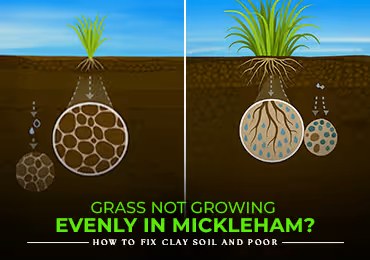
Grass Not Growing Evenly in Mickleham? How Clay Soil and Poor Topsoil Affect Your Lawn and How to Fix It

By Admin 10 min Read

Uneven grass growth is one of the most common lawn complaints in Mickleham. Many homeowners notice that one part of the lawn grows thick and green while other areas remain thin, patchy, or bare. This problem often appears within the first year of moving into a new home and continues despite regular watering and mowing. In most cases, the issue is not the grass itself. The real cause lies beneath the surface. Mickleham clay soil combined with poor or shallow topsoil makes it difficult for lawns to establish evenly. Until the soil is improved, no amount of mowing or fertilising will fully solve the problem. This guide explains why uneven lawns are so common in Mickleham, what clay soil and poor topsoil actually are, and how to fix the soil properly for long term results. Why Uneven Lawn Growth Is Common in Mickleham Mickleham sits in an area of Victoria known for heavy clay subsoil. This soil type is naturally dense and slow draining. On top of that, many blocks in Mickleham are part of newer housing estates where the soil has been heavily disturbed during construction. Common factors include: Heavy machinery compacting the ground Removal of quality topsoil during building Thin or uneven topsoil spread before turf installation Lawns laid quickly to complete the property The result is a lawn growing on a shallow layer of low quality soil sitting on hard clay. Grass roots struggle to grow evenly, which leads to patchy coverage and poor lawn health. What Is Mickleham Clay Soil Clay soil is made up of very fine particles that pack tightly together. In Mickleham, this clay layer often sits just below the surface. Key characteristics of Mickleham clay soil include: Very slow drainage High compaction Sticky when wet Hard and cracked when dry Limited air spaces for roots Because the particles are so fine, water moves through clay soil slowly. Air struggles to reach the root zone. Grass roots find it difficult to penetrate deeply, so they remain shallow and weak. How Clay Soil Affects Lawn Growth When grass grows on clay soil without proper preparation, several problems appear Water pools on the surface after rain Roots grow sideways instead of downward. Some areas stay wet while others dry out Nutrients remain locked in the soil Grass grows unevenly across the lawn This is why lawns in Mickleham often look healthy in one corner and thin just a few metres away. What Is Poor Topsoil Topsoil is the upper layer of soil where grass roots grow. Healthy topsoil contains organic matter, nutrients, and beneficial microorganisms. It should be deep enough to allow roots to establish properly. Poor topsoil lacks these qualities. In many Mickleham homes, poor topsoil means The soil layer is too shallow Organic matter is minimal or missing The soil dries out quickly or stays waterlogged The texture is inconsistent across the yard Why Topsoil Is Often Poor in New Mickleham Estates Poor topsoil is rarely accidental. It usually happens during construction. Common causes include: Builders removing topsoil to level the block Topsoil being stockpiled and not replaced evenly Low quality fill soil used instead of proper lawn soil Turf installed before the soil is improved Even when a lawn looks finished, the soil underneath may not be suitable for healthy grass growth. Why Clay Soil and Poor Topsoil Cause Uneven Grass Growth When poor topsoil sits on top of compacted clay soil, grass roots hit a barrier very quickly. They cannot grow deep enough to access moisture and nutrients evenly. This leads to: Strong growth where soil depth is slightly better Weak growth where clay is closer to the surface Uneven colour and density Bare patches that reappear after repairs This problem is common across Mickleham and is one of the main reasons lawns struggle despite regular lawn mowing service visits. How to Identify Clay Soil and Poor Topsoil in Your Lawn You can confirm soil problems with a few simple checks. Dig a small hole about 15 to 20 centimetres deep. If you hit hard clay quickly, topsoil depth is insufficient. Check drainage by watering the lawn heavily. If water pools or takes a long time to soak in, clay soil is present. Look for visual signs such as: Patchy grass growth Yellowing areas Soft muddy patches after rain Hard ground during dry weather How to Improve Clay Soil and Poor Topsoil in Mickleham Improving soil takes time, but it is the only way to achieve an even, healthy lawn. 1. Relieving Soil Compaction Compaction is the biggest issue with Mickleham clay soil. Professional Aeration Service removes small plugs of soil, allowing air, water, and nutrients to move into the root zone. Aeration should be done at least once a year in clay heavy lawns. 2. Adding Organic Matter Organic matter is essential for improving clay soil structure. Compost helps bind clay particles into larger aggregates, improving drainage and airflow. Regular applications gradually turn hard clay into workable soil. 3. Improving Topsoil Quality Quality lawn soil should be a sandy loam blend enriched with organic matter. This type of soil balances drainage and moisture retention. Avoid pure sand or builder fill. These materials worsen drainage issues when mixed with clay. 4. Improving Drainage Naturally Improving soil structure is more effective than installing surface drains in most residential lawns. Healthy soil allows water to move through evenly rather than pooling or running off. Step by Step Lawn Soil Improvement Plan for Mickleham Inspect soil depth and drainage Mow the lawn slightly lower than usual Core aerate compacted areas Apply compost and soil conditioners Topdress with quality lawn soil Level low or uneven areas gradually Overseed or returf weak sections Water deeply to encourage root growth This approach works for both new lawns and established lawns showing uneven growth. Choosing Grass That Performs Better in Mickleham Clay Soil Some grass types tolerate clay better than others, but no grass will thrive without soil improvement. Grass selection should consider: Shade exposure Water availability Usage levels Soil condition Even clay tolerant grasses perform poorly when installed over compacted soil with shallow topsoil. Ongoing Lawn Care to Maintain Even Growth Once the soil improves, regular maintenance keeps the lawn healthy. Best practices include: Correct mowing height Deep but controlled watering Avoiding heavy traffic on wet lawns Seasonal aeration and topdressing A professional lawn mowing service that understands local soil conditions can help prevent compaction from returning. How Landscaping and Outdoor Structures Affect Lawn Health Garden landscaping Mickleham projects often involve retaining walls, garden beds, decking, and fencing. These features affect soil movement, drainage, and compaction. Fence installation and decking services in Mickleham should always consider how water flows across the yard. Poor drainage planning can worsen clay soil problems and damage lawns over time. Proper landscaping integrates soil improvement with hardscape installation to protect lawn health. When to Seek Professional Help in Mickleham Some soil problems are too severe for basic DIY solutions. Professional help is recommended when: Clay soil is heavily compacted Drainage problems persist Large areas are uneven The lawn repeatedly fails Local professionals experienced in garden landscaping Mickleham conditions understand the soil challenges unique to the area and can apply long term solutions. Conclusion Uneven grass growth in Mickleham is rarely caused by poor lawn care. The real issue is usually Mickleham clay soil combined with poor topsoil left behind after construction. Fixing the soil is the foundation of a healthy lawn. Once compaction is reduced and topsoil quality improves, grass grows more evenly, mowing becomes easier, and the lawn holds up better throughout the year. A well prepared lawn also supports other outdoor improvements such as fencing, decking, and broader landscaping work. Healthy soil benefits every part of your outdoor space. Local Lawn and Landscaping Support in Mickleham Fixing uneven grass starts with soil, but long term results come from doing the work correctly and consistently. Many Mickleham homeowners try surface fixes without addressing compaction and poor topsoil underneath, which leads to the same problems returning. Sky Nature provides local garden landscaping Mickleham services focused on soil health, lawn performance, and outdoor durability. This includes lawn restoration, lawn mowing service, soil improvement, turf preparation, fence installation, and decking services in Mickleham. Because Sky Nature works regularly in Mickleham and nearby suburbs, the team understands local clay soil conditions and the challenges found in new housing estates. Every lawn and landscape project is approached with long term performance in mind rather than short term appearance. For homeowners dealing with ongoing patchy lawns, uneven ground, or soil issues that do not improve with regular mowing, professional assessment and soil correction can save time and cost in the long run. We love to hear from you Contact Us

Blog Image
Lawn Care & Garden Maintenance

6 Native Australian Plants That Thrive in Low-Maintenance Gardens

By Admin 4 min Read

Creating a beautiful, sustainable garden while minimizing ongoing effort is an achievable goal for gardeners in Victoria and throughout Australia. With the right selection of native Australian plants, you can enjoy an attractive garden that flourishes with low water, low feeding, and minimal pruning requirements. Native plants are adapted to local soil and climate conditions, making them naturally resilient. This guide discusses some of the best native Australian plants that thrive in low-maintenance gardens and practical tips for designing your easy-care green space. Why Choose Native Australian Plants? Climate Adaptation: These plants have evolved to withstand Australia’s diverse climate ranges, from dry spells to cooler seasons in Victoria. Water Efficiency: Once established, native plants usually need significantly less irrigation than exotic species. Pest and Disease Resistance: They naturally resist many pests and diseases, reducing the need for chemical treatments. Support for Local Wildlife: Native plants attract pollinators, birds, and beneficial insects, enhancing biodiversity. Lower Maintenance: Most natives require less pruning and feeding, saving time and resources. By supporting local ecosystems, your garden not only looks vibrant but also contributes positively to environmental conservation. Top Native Australian Plants for Low-Maintenance Gardens Here are some resilient and visually appealing native plants ideal for Victoria’s low-maintenance gardens: Lomandra (Lomandra longifolia): Tough, drought-tolerant, and adaptable with dense foliage perfect for borders and weed suppression. Kangaroo Paw (Anigozanthos spp.): Striking claw-shaped flowers that attract nectar-feeding birds; thrives in sunny, well-drained spots. Grevillea (Grevillea spp.): Colorful flowers loved by pollinating birds; thrives in poor soils and drought conditions. Westringia (Westringia fruticosa): Evergreen shrub resistant to drought and frost; ideal for hedges and mass plantings. Bottlebrush (Callistemon spp.): Iconic red flowering spikes; attracts native birds and requires little care beyond pruning. Correa (Correa spp.): Bell-shaped flowers blooming in autumn/winter; suitable for shade and drought conditions. Designing Your Low-Maintenance Native Garden: Practical Tips Group Plants by Water Needs: Cluster similar plants to optimize irrigation. Use Mulch Liberally: Helps retain moisture, suppress weeds, and regulate soil temperature. Improve Native Soils Thoughtfully: Add organic matter where needed to boost plant health. Limit Lawn Areas: Replace with native ground covers or hardscaping to cut maintenance. Plan for Seasonal Variety: Mix species to ensure year-round foliage and blooms. Local Benefits: Why Low-Maintenance Native Gardens Suit Victoria Gardening with natives suited to Victoria's temperate climate ensures resilience through warm summers and cool winters. It reduces reliance on intensive irrigation, supports local flora and fauna, and creates authentic Australian landscapes that are both functional and beautiful. Supporting Biodiversity Through Native Plant Choices By choosing native plants, gardeners provide food and habitat for wildlife. Grevillea and Kangaroo Paw supply nectar, while Lomandra offers protective cover — helping maintain ecological balance and promoting a thriving garden environment. Sustainable Gardening with Native Plants Native gardens reduce water use, chemical inputs, and maintenance demands. They support natural cycles, improve soil health, and contribute to urban biodiversity — making them a cornerstone of sustainable gardening in Victoria. Partner with Experts: Sky Nature Landscaping If you’re eager to create a native plant garden effortlessly, consider partnering with professional landscapers like Sky Nature Landscaping in Victoria. They specialize in sustainable, low-maintenance garden designs using native plants to enhance beauty and ecological function. Whether you have a small yard or a larger property, expert landscaping services can guide plant selection and installation tailored to your goals and local conditions. Conclusion Native Australian plants offer an excellent solution for gardeners seeking vibrant, eco-friendly, and easy-care outdoor spaces. Selecting the right species and designing thoughtfully for Victoria’s climate can result in a thriving garden that enriches local wildlife while reducing maintenance time and water use. Embrace the beauty and benefits of native plants to create your dream low-maintenance garden that will flourish for years to come. We love to hear from you Contact Us

Blog Image
Lawn Care & Garden Maintenance

Eco-Friendly Ways to Keep Your Garden Pest-Free

By Admin 7 min Read

A healthy, thriving garden is every homeowner’s dream — lush greenery, colourful blooms, and thriving plants that make outdoor spaces inviting. But pests are often an unavoidable part of gardening in Australia. From aphids and caterpillars to snails and fungal infections, garden pests can quickly damage your hard work if left unchecked. Many people turn to chemical pesticides for quick results, but these often do more harm than good. Harsh chemicals can affect soil quality, pollute waterways, and even harm beneficial insects such as bees and butterflies. That’s why eco-friendly pest control methods are becoming the go-to solution for sustainable gardening. They protect your plants, maintain biodiversity, and keep your garden safe for children, pets, and the environment. Here are some of the most effective eco-friendly ways to keep your garden pest-free. Why Choose Eco-Friendly Pest Control? Healthier soil & plants: Natural methods build long-term soil health, giving your plants the strength to resist pests. Protecting pollinators: Bees, butterflies, and ladybirds are essential for pollination — chemicals can drive them away. Safe for family & pets: Eco-friendly garden pest solutions avoid harsh toxins. Sustainable gardening: Reduces reliance on synthetic pesticides and supports a balanced ecosystem. 1. Prevent Pests with Smart Gardening Practices The best pest control starts with prevention. Healthy plants are naturally more resistant to disease and insect attack. Improve soil health through composting, mulching, and regular aeration. Nutrient-rich soil produces stronger plants that pests find less appealing. Water wisely. Overwatering can cause fungal growth, while dry soil weakens plants. A steady watering routine keeps roots strong. Rotate crops and mix plant types. For veggie patches, rotating where you plant tomatoes, beans, and leafy greens reduces soil-borne pests. 2. Invite Nature’s Helpers One of the most effective eco-friendly pest control strategies is encouraging beneficial insects and animals into your garden. Ladybirds, lacewings, and hoverflies feed on aphids and mites. Bees and butterflies help pollinate while keeping the ecosystem balanced. Frogs, lizards, and birds naturally control mosquitoes, slugs, and caterpillars. Plant native flowers, herbs (like basil and coriander), or shrubs to attract these helpful creatures. Creating a garden that works with nature reduces your reliance on sprays. 3. Natural Pest Control Remedies Sometimes pests still sneak in, even in well-maintained gardens. Luckily, there are plenty of organic, home-friendly solutions you can try: Neem oil spray – effective against aphids, mealybugs, and caterpillars. Garlic or chilli spray – deters leaf-eating insects naturally. Beer traps – a simple way to catch slugs and snails. Diatomaceous earth – a natural powder that deters crawling insects without harming plants. These options are affordable, safe, and easy to prepare at home — making them excellent alternatives to chemical pesticides. 4. Physical Barriers & Traps Sometimes, the simplest approach is best. Protect your plants by creating physical barriers against pests: Fine mesh netting over veggie patches keeps caterpillars and moths away. Row covers shield crops from insects while allowing sunlight and water through. Sticky traps work well for flying pests like whiteflies. Mulching creates a barrier against weeds and reduces insect nesting. These methods are non-toxic and can be reused throughout the gardening season. 5. Regular Monitoring & Garden Maintenance Consistent monitoring is key to effective pest management. By spotting problems early, you can act before infestations spread. Inspect plants weekly for insect activity or leaf damage. Prune diseased or damaged branches promptly. Remove weeds and garden debris where pests like to hide. Avoid leaving stagnant water, which attracts mosquitoes and fungal issues. Regular upkeep ensures your garden remains vibrant and pest-free — and saves you from bigger problems later. FAQs – Eco-Friendly Garden Pest Control in Victoria Q1: What are the best natural ways to keep pests out of a garden? Companion planting, neem oil sprays, and encouraging beneficial insects are among the most effective eco-friendly methods. Q2: Is eco-friendly pest control safe for pets? Yes — natural methods like neem oil, garlic spray, and physical barriers are safe for pets when applied correctly. Q3: What plants naturally repel garden pests? Marigolds, basil, rosemary, and lavender can deter aphids, mosquitoes, and beetles. Q4: Do I need professional help for pest control in Victoria? For minor issues, DIY solutions work well. But if pests spread across your garden, a professional local garden maintenance service like Skynature can provide lasting eco-friendly solutions. 6. When to Call a Professional While eco-friendly DIY methods work for most home gardens, there are times when infestations become too severe to handle alone. If you notice recurring issues, widespread damage, or pests that don’t respond to natural remedies, it’s time to call in experts. Professional garden maintenance services not only manage pests but also improve soil health, recommend the right plants for your area, and use environmentally safe techniques to restore balance in your garden Conclusion Pest control doesn’t need to harm your garden or the environment. By using eco-friendly pest control methods, you can enjoy a healthy, thriving outdoor space that’s safe for kids, pets, and pollinators. At Skynature, we provide reliable garden maintenance and pest control services across Victoria. From lawn care to sustainable pest management, our local team ensures your outdoor spaces stay green, beautiful, and pest-free. Looking for eco-friendly garden pest control near you in Victoria? Contact Skynature today for expert help. We love to hear from you Contact Us

Blog Image
Lawn Care & Garden Maintenance

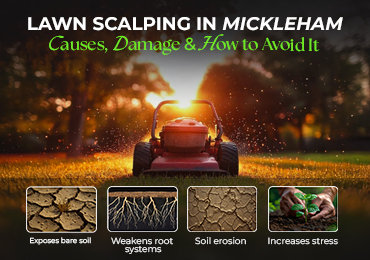
Lawn Scalping in Mickleham: Causes, Damage & How to Avoid It

By Admin 7 min Read

A well-kept lawn is one of the biggest features of any home in Mickleham. But one mistake many homeowners or inexperienced mowing services make is scalping – cutting the grass too short, exposing bare soil, and leaving the lawn weak and patchy. While some warm-season grasses can occasionally benefit from a seasonal scalping, in most cases it causes more harm than good. In this blog, we’ll cover why scalping happens, the damage it causes, how to avoid it when choosing a mowing service, and what to do if it happens. 1. The Benefits of Pool Decking Lawn scalping happens when grass is cut too short – often below the recommended mowing height – exposing the crown of the grass or even the soil underneath. Instead of a neat, green lawn, you’re left with brown patches, uneven growth, and increased weed invasion. In Mickleham’s climate, with hot summers and cool winters, scalping can set your lawn back for weeks, leaving it vulnerable at the time it needs strength the most. Why and How Scalping Happens Scalping can occur for several reasons, most of which are preventable: Mower set too low – Cutting below the recommended grass height is the most common cause. Uneven lawns – Bumpy or sloped ground in areas around Mickleham can cause mower blades to dip too low. Dull mower blades – Instead of slicing cleanly, they tear the grass, stressing the lawn further. Cutting too much at once – Removing more than one-third of the grass blade in a single mow. Seasonal timing – Mowing stressed lawns during drought or heat waves amplifies scalping damage. The Damage Scalping Causes A scalped lawn doesn’t just look bad – it can cause lasting damage: Exposes bare soil → inviting weeds and pests. Weakens root systems → reducing the lawn’s ability to absorb nutrients and water. Soil erosion → common in open areas and larger blocks around Mickleham. Increases stress → leaving grass more vulnerable to heat, drought, and disease. Once the crown (the growth point of the grass) is damaged, the lawn often takes weeks to recover, sometimes requiring overseeding or professional repair. How to Avoid Scalping (When Hiring a Mowing Service) If you’re choosing a lawn mowing service in Mickleham, here’s what to look for to avoid scalping: Ask about mowing height – Professionals should never cut more than one-third of the grass height in one mow. Skynature’s lawn mowing service follows this golden rule. Check their equipment – A good service uses sharp blades and adjusts height for different lawns. Look for local experience – Mickleham has a mix of residential blocks and acreage properties, so a team experienced in ride-on mowing for large areas is essential. Consistency over shortcuts – Regular mowing keeps lawns healthy without the need for aggressive cuts. Best Practices After Mowing After each mow, a little care goes a long way in keeping your lawn resilient: Light watering to reduce stress. Remove heavy clippings if the grass was long, but mulch mowing is ideal for nutrient recycling. Check for uneven or patchy spots early, so they can be corrected before damage spreads. What to Do If Scalping Happens If your lawn has been scalped, here’s how to help it recover: Water deeply to reduce stress. Fertilise lightly (avoid heavy feeding immediately). Overseed or top-dress bare patches. Aerate compacted soil to improve root recovery. Be patient – recovery can take weeks depending on the season and severity. For larger lawns or repeated scalping damage, professional recovery services may be needed. Scalping vs. Dethatching It’s important not to confuse scalping with dethatching: Scalping = cutting grass too short, damaging it. Dethatching = removing the thick layer of dead grass and debris that builds up on the soil surface. This process is beneficial when done at the right time, but it’s very different from scalping. FAQs About Lawn Scalping How do I stop lawn scalping after mowing? Raise your mower deck, sharpen blades, and mow regularly so you don’t cut too much at once. What should I do after scalping a lawn? Water, lightly fertilise, and overseed bare patches. Avoid mowing again until regrowth is visible. Does scalping a lawn kill weeds? It may reduce some weeds temporarily, but bare soil often allows more weeds to invade. Scalped lawn recovery time? Anywhere from 2–6 weeks depending on season, grass type, and severity. Is scalping the same as dethatching? No. Dethatching removes debris; scalping cuts the grass too short. Conclusion Scalping is one of the most common lawn care mistakes, but it’s also one of the easiest to avoid with the right practices. For homeowners in Mickleham, Victoria 3064, where lawns are exposed to both summer heat and winter chill, avoiding scalping is key to maintaining a green, healthy yard. At Skynature, we provide professional mowing services tailored to local conditions in Mickleham. Whether it’s regular lawn mowing or ride-on mowing for acreage, we ensure your lawn is cut at the right height and cared for all year round. We love to hear from you Contact Us

Blog Image
Lawn Care & Garden Maintenance

Hedge Trimming and Pruning: Elevate Your Garden with Professional Care

By Admin 5 min Read

Achieving a lush, well-shaped hedge is more than just cutting back greenery—it’s about promoting healthier growth, enhancing curb appeal, and maintaining a tidy garden. At SkyNature, our Hedge Trimming and Pruning experts deliver outstanding garden care services that not only beautify your outdoor space but also improve plant health and longevity What Is Hedge Trimming and Pruning? Hedge trimming involves shaping and maintaining hedges, shrubs, and topiary into neat forms. Pruning goes deeper—cutting away dead or overgrown branches to encourage new growth and overall plant health. Both are essential components of gardening and mowing service routines, ensuring your greenery stays healthy and stunning. Why Your Garden Needs Professional Hedge Trimming and Pruning? 1. Promotes Healthier Growth Removing diseased or dying branches helps plants heal, redirect energy towards new shoots, and resist pests and disease outbreaks. 2. Boosts Aesthetic Appeal Regular trim keeps hedges looking bold and structured—ideal for both residential and commercial lawn & garden services. 3. Improves Safety & Light Overgrown branches can block walkways or touch homes. Proper pruning improves visibility, ventilation, and natural sunlight throughout your garden. 4. Maintains Hedge Shape Different plants require specific trim styles. Professionals know when to prune for that classic box look or a more relaxed, natural finish. Our Process for Hedge Trimming and Pruning Initial Garden Assessment We start with a walkthrough to identify: 1. Hedge health and structure 2. Types of plants (native, hedging, ornamental) 3. Overgrowth, disease, and pest signs Tailored Hedge Pruning Plan We customize care plans depending on plant species and your goals—whether it’s a sharp edge along a driveway or sculpted hedging screen. Precision Pruning & Shaping Using clean, well-maintained tools (hedge shears, bypass pruners, loppers), we: 1. Remove deadwood 2. Thin dense areas for airflow 3. Trim to tidy shapes and defined lines Final Review & Cleanup After trimming, we clear all debris, tidy up branches, and give your garden a polished finish. Benefits of Choosing SkyNature’s Garden Care Services Expert Knowledge Our horticulturists understand Australian hedging species and pruning techniques. Comprehensive Lawn Care We combine hedge trimming and pruning with mowing, fertilizing, mulching, and pest control for full-service garden care. Commercial-Grade Equipment Ideal for both small yards and large commercial landscapes. Eco-Friendly Practices We compost green waste, avoid harsh chemicals, and prefer organic care whenever suitable. Flexible Scheduling Monthly, quarterly, or seasonal visits—tailored to your garden’s unique needs. When You Need Hedge Trimming and Pruning Neighbour Complaints – Overgrown hedges may block views, footpaths, or cause disputes. Selling Your Home – Well-shaped hedges boost curb appeal and make a great first impression. New Growth Seasons – Hedges grow quickly in spring and autumn, needing regular maintenance. FAQs (Snippet-Friendly) Q1: How often should I schedule hedge trimming? Most hedges need trimming 2–4 times a year, depending on species and growth rate. Evergreen hedges benefit from consistent upkeep. Q2: Will cutting too much damage my hedge? Professional pruning targets no more than one-third of green growth at a time, preserving health and structure. Q3: Can you service large commercial landscapes? Absolutely! We offer full commercial lawn & garden services, including hedges, trees, flower beds, and turf care. SkyNature: Victoria’s Quality Gardening and Mowing Service With years of experience and a trusted team of green-fingers, SkyNature stands out in garden careservices, offering both residential charm and professional commercial results. We combine meticulous hedge trimming and pruning with mowing,weeding, and more to create outdoor spaces that thrive. Ready to Refine Your Garden? Contact us today for a FREE quote on hedge trimming and pruning or our full suite of gardening and mowing service options. Let SkyNature craft a healthier, more beautiful landscape—tailored just for you. Call us at 61 416959758 or visit skynature.com.au/contact Transform your garden with expert care today! We love to hear from you Contact Us